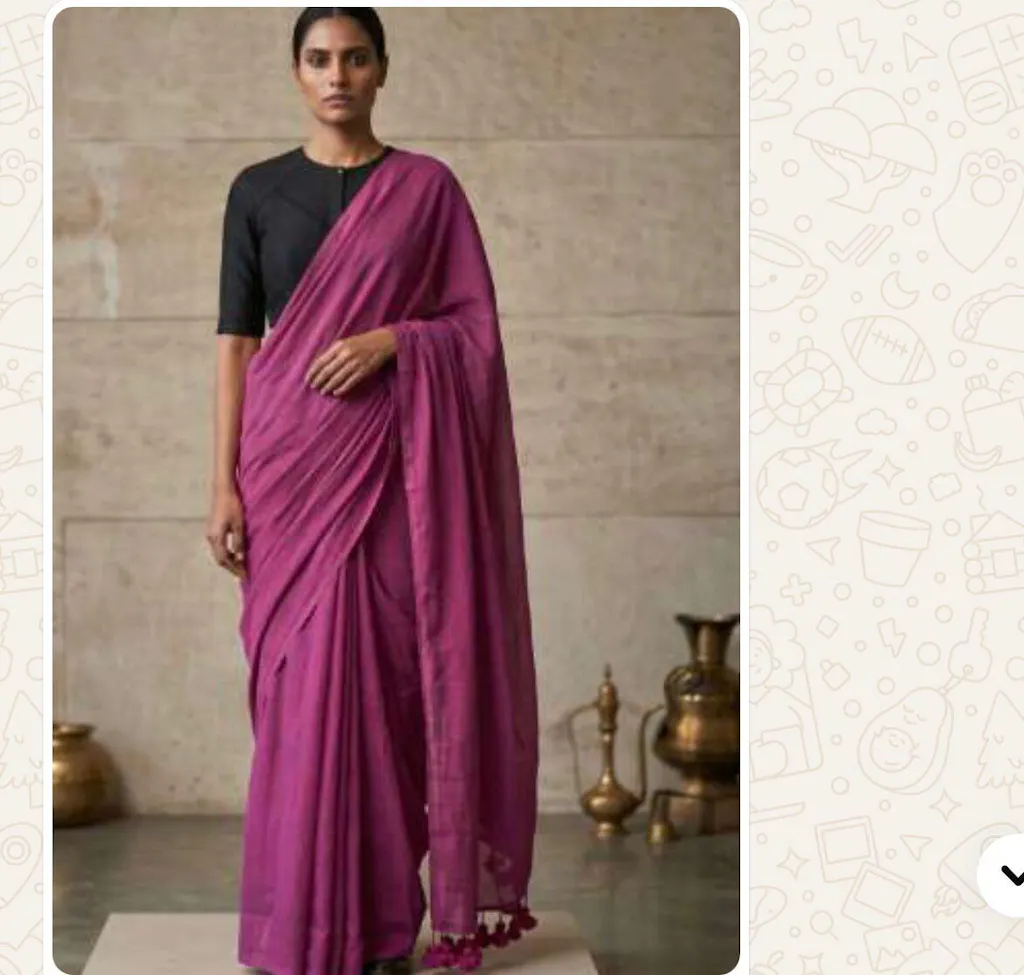
Comfortable. Confident. Professional — Without Compromise.
For teachers, dressing well isn’t about trends — it’s about presence.
A saree, when styled right, becomes one of the most powerful daily wear outfits for educators. It commands respect, feels rooted, and still allows room for comfort through long teaching hours.
Breaks down how teachers can style sarees for a smart, practical, and polished daily look — without stiffness, heaviness, or unnecessary effort.
Why Sarees Work So Well for Teachers
Sarees have long been associated with the teaching profession — not because of tradition alone, but because they deliver:
-
Authority without intimidation
-
Grace without distraction
-
Comfort without casualness
-
Cultural rootedness with modern adaptability
A well-chosen saree helps teachers look approachable yet professional, every single day.
Best Saree Fabrics for Teachers
Fabric choice is everything when you’re standing, moving, and teaching for hours.
1. Cotton Sarees – The Everyday Essential
Best for: Daily school or college wear
Breathable
Easy to drape
Sweat-friendly
Low maintenance
Handloom cotton, mul cotton, and soft cotton blends are ideal for long days.
2. Linen Sarees – Structured & Smart
Best for: Senior teachers, college lecturers
Crisp appearance
Elegant fall
Minimal wrinkling
Linen sarees look sharp without feeling rigid — perfect for professional settings.
3. Cotton Silk – When You Want Polish
Best for: Special lectures, meetings, inspections
Lightweight sheen
Formal look
Comfortable drape
Avoid heavy zari; choose subtle borders.
4. Soft Georgette (Occasional Use)
Best for: Presentations, events, guest lectures
Easy to manage
Flowy drape
Light on the body
Stick to muted colours and minimal prints.
Saree Colours That Look Smart in Classrooms
Daily teaching calls for colours that feel calm, composed, and confident.
Best Colour Choices:
-
Off-white & ivory
-
Beige & soft browns
-
Navy & charcoal
-
Bottle green
-
Maroon & wine
-
Pastel blues and greys
Avoid extremely bright neons or overly festive shades for daily wear.
Prints & Patterns Teachers Should Choose
Ideal Prints:
Small motifs
Stripes
Subtle checks
Minimal block prints
These keep the look refined and non-distracting.
Avoid:
Oversized motifs
Loud digital prints
Heavy contrast borders
Remember — the focus should stay on your voice, not your outfit.
Blouse Styling Tips for Teachers
Blouses can elevate or ruin a saree look.
Go For:
-
High or medium necks
-
Elbow-length sleeves
-
Cotton or linen fabrics
-
Solid colours
Avoid:
-
Deep necklines
-
Sleeveless or spaghetti styles
-
Shiny fabrics
-
Heavy embroidery
Comfort + professionalism should always win.
How to Drape a Saree for Teaching Comfort
The Most Practical Drapes:
-
Classic Nivi drape – secure and neat
-
Pleats pinned properly – prevents slipping
-
Pallu pinned on the shoulder – allows free movement
Use safety pins discreetly — confidence comes from knowing nothing will shift mid-lecture.
Footwear That Complements a Teacher’s Saree Look
Shoes matter when you’re on your feet all day.
Best Options:
-
Flat sandals
-
Kolhapuri flats
-
Low block heels
-
Closed-toe flats
Avoid high heels or slippery soles.
Jewellery: Keep It Minimal & Meaningful
Less truly is more in classrooms.
Ideal Jewellery:
Small studs
Tiny jhumkas
Simple chain
Classic watch
Avoid heavy necklaces, bangles that make noise, or statement pieces during daily teaching.
Hairstyles That Stay Neat All Day
Best Hairstyles for Teachers:
-
Low bun
-
Neat braid
-
Half-tied hair
-
Sleek ponytail
These stay put and look composed from morning to last period.
Sarees for Different Teaching Roles
School Teachers
-
Cotton sarees
-
Soft colours
-
Printed or plain with minimal borders
College & University Lecturers
-
Linen or cotton silk
-
Solid colours
-
Structured drapes
Professors & Senior Educators
-
Handloom sarees
-
Subtle elegance
-
Neutral or earthy tones
Your saree can quietly reflect your experience.
Seasonal Saree Tips for Teachers
Summer:
-
Mul cotton
-
Light colours
-
Breathable blouses
Monsoon:
-
Dark cottons
-
Shorter pallus
-
Quick-dry fabrics
Winter:
-
Linen blends
-
Slightly heavier cottons
-
Full-sleeve blouses if needed
Common Saree Styling Mistakes Teachers Should Avoid
Over-accessorising
Wearing slippery fabrics daily
Ignoring comfort for style
Loud colours in academic settings
Constantly adjusting the drape
A teacher’s saree should support her day, not interrupt it.
A saree is more than daily wear for teachers — it’s a quiet expression of authority, culture, and confidence.
When styled right, it:
Feels comfortable
Looks professional
Commands respect
Reflects personality
Choose wisely, style simply, and let your presence do the talking.
FAQs
1. Which saree is best for teachers for daily wear?
Cotton and linen sarees are best for teachers due to comfort, breathability, and ease of movement.
2. Can teachers wear sarees every day?
Yes. With the right fabric and simple styling, sarees are one of the most practical daily wear outfits for teachers.
3. What colours are suitable for teachers to wear?
Neutral, pastel, and deep solid colours like beige, navy, maroon, and green work best.
4. Are silk sarees suitable for teaching?
Heavy silks are not ideal for daily wear, but lightweight cotton silk sarees work well occasionally.
5. How should teachers style blouses with sarees?
Choose modest necklines, elbow-length sleeves, and breathable fabrics like cotton or linen.
6. What footwear goes best with sarees for teachers?
Flat sandals, kolhapuris, or low block heels are most comfortable for long teaching hours.
7. Do sarees look professional for teachers?
Absolutely. Sarees offer a perfect balance of professionalism, elegance, and authority in academic spaces.