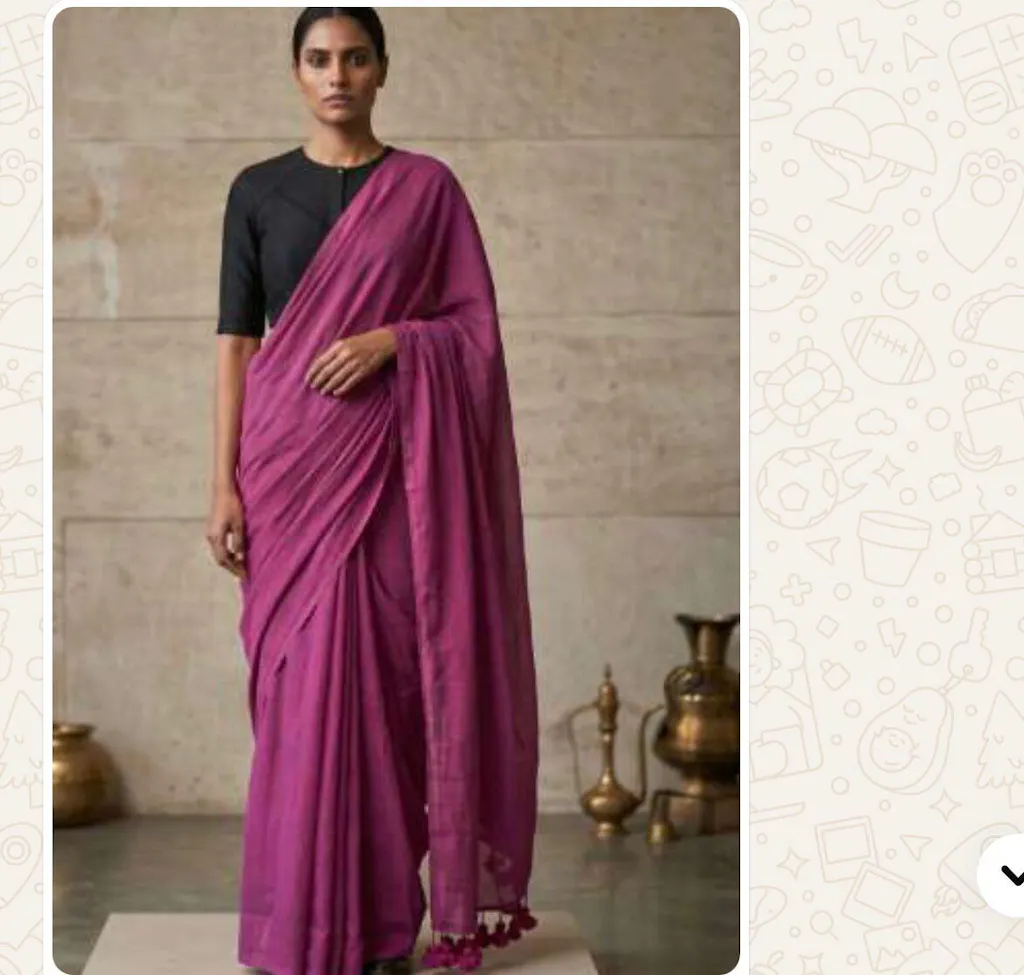
Weddings are rarely about sentiment.
They’re about presence, position, and the clarity of a woman who refuses to shrink in the moment everyone expects her to soften.
And nothing mirrors that energy like a red saree — matte, structured, raw, and absolutely unfiltered.
This is not an emotional colour.
It’s an architectural one.
Red has lines. Weight. Gravity.
This guide is not for the woman who wants to “look pretty.”
It’s for the woman who wants to look inevitable.
Let’s rebuild the idea of the red wedding saree from the ground up — from colour theory to silhouettes, from geographies to shopping strategy, from drape structure to post-wedding utility.
Why the Red Saree Still Dominates the Indian Wedding Landscape
Red Is Not Tradition — Red Is Power
Before culture claimed red, psychology did.
Red is the colour of heat, endurance, risk, and decision.
It is the colour worn by people who walk into a room already finished with negotiation.
A red saree does not whisper romance.
It announces a command.
The Raw Semiotics of Red
-
Authority — No other colour announces presence with such architectural clarity.
-
Intensity — Red has density; it doesn't scatter light.
-
Focus — A red wedding saree narrows visual noise and concentrates attention.
And when layered in fabric, texture, and silhouette, red becomes a full body language.
Understanding the Geographies of Red — Why Shades Matter
India is not a single aesthetic.
It’s a map of colour dialects.
Your red must speak the language of your geography and your personality.
North India — Structured, High-Saturation Reds
If your wedding palette is built in Delhi, Jaipur, Lucknow, or Chandigarh, your red saree leans heavier.
Oxide Red, Vermillion Red, Temple Red
These reds are sharp, unapologetic, and high authority.
Perfect for silhouettes with:
-
Broad borders
-
Architectural zari lines
-
Matte textures on raw silk
These are the reds that look like decisions.
South India — Grounded, Matte, Earth-Derived Reds
Tamil Nadu, Kerala, Karnataka, and Andhra — the red saree goes earth-first.
Brick Red, Rust Red, Mud Red, OxBlood
These shades carry grit.
They photograph beautifully under natural light — no gloss, no theatrics.
Raw silk, Kanchipuram, Chettinad cotton, tissue with matte gold borders — all thrive in these tones.
East India — Reds With Storytelling Built In
Bengal, Odisha, Assam — red is tied to ritual, yes, but also to clarity and minimalism.
Laal Paar, Garad, Bomkai Red
Clean silhouettes.
Stark contrasts.
Red used with discipline — no chaos.
West India — Reds That Merge Minimalism & Drama
Gujarat, Maharashtra, Rajasthan — these regions create interplay between structure and play.
Rust Reds, Sindoor Reds, Copper Reds
If you want a red saree that balances geometry with texture, Western India is your blueprint.
Choosing the Right Fabric for Your Red Wedding Saree
Your fabric decides your attitude.
Raw Silk — The Commanding Icon
Raw silk holds shape.
It maintains its silhouette even when you breathe.
Why It Works
-
Matte finish
-
Architectural lines
-
Zero floppiness
-
Built for women who prefer structure over softness
The best red saree for a power-driven wedding look usually begins here.
Organza — The Sheer Weapon
Organza is not fragile.
It’s engineered for stiffness.
Strengths
-
Defined edges
-
Dramatic pallu drops
-
Creates sharp geometry
Pair of organza in rust red or brick red — not shiny fire-engine red.
Tissue Silk — Metallic but Controlled
Tissue is often misused as “glam,” but the right tone makes it brutalist.
Why It Works for Weddings
-
Reflects just enough light to feel intentional
-
Matte when woven with the right zari
-
Has weight, which keeps the drape disciplined
Handloom Cottons — Minimalist, But Fierce
Chettinad, Maheshwari, Bagh — these cottons look raw, matte, and unfiltered.
Ideal for
-
Day weddings
-
Temple weddings
-
Minimalist brides
-
Women who prefer power over performance
Banarasi Silk — The Structured Classic
Banarasi is not about ornament.
It’s about loom architecture.
Choose This If
You want:
-
precision
-
geometry
-
motifs that feel engineered, not ornate
Build Your Silhouette — The Architecture of a Powerful Wedding Look
Border Logic
A border defines the attitude of your saree.
Broad Matte Borders
Communicate:
-
confidence
-
grounded energy
-
a sense of permanence
Narrow Minimal Borders
Communicate:
-
restraint
-
intellectual sharpness
-
modern brutalist energy
Choose based on the persona you want to project — not the trend cycle.
Pallu Engineering
Your pallu is not decoration.
It’s architecture.
Three Dominant Pallu Styles
-
Flat Engineered Pallu — pinned with intent, no flutter
-
Structured Over-Shoulder Drop — organza/tissue works best
-
Heavy Banarasi Folded Pallu — geometric, symmetrical, dominant
Draping As Strategy
Your drape must feel designed, not romantic.
Avoid
-
loose pleats
-
flowy endings
-
drapes that collapse
Choose
-
tension
-
clean pleat stacks
-
matte lines
-
a pallu with discipline
A red saree becomes iconic when the drape looks deliberate.
Blouse Architecture — Because the Saree Is Only Half the Story
High-Neck Minimalism
A high-neck blouse in raw silk or matte cotton adds severity — in the best way.
Why It Works
-
elongates your silhouette
-
channels strength
-
looks editorial
Sleeveless With Structure
Not “cute.”
Not “dainty.”
Sculptural.
Choose
-
thick straps
-
sharp armholes
-
defined shoulder lines
Zari Panels or Geometric Cuts
Keep everything architectural.
Avoid floral chaos.
Your blouse should feel like design, not decoration.
The Psychology of the Red Saree Bride
The Bride Who Chooses Red Chooses Herself
Choosing a red saree is not compliance.
It’s clarity.
She Is Not Trying to Impress
She’s expressing:
-
independence
-
raw confidence
-
personal grit
Red as a Boundary
Red creates boundaries in the visual field.
It marks territory.
When You Wear Red
People stop negotiating your presence.
They simply adjust to it.
Jewellery Strategy — Match the Saree’s Energy, Not Trends
Matte Gold — Sharp & Grounded
Works best with:
-
raw silk
-
tissue
-
temple reds
Avoid glossy finishes.
Choose sandblasted, brushed, or unpolished metals.
Oxidised Silver — For Textural Dominance
If your red is rust, oxide, or brick, oxidised silver creates a brutalist contrast.
Minimal Diamond Cuts — Only If Sculptural
Not sparkly.
Not soft.
Choose geometric cuts with architectural clarity.
Wedding Function Breakdown — Which Red Saree for Which Ceremony
For the Wedding Ritual
Choose:
-
raw silk
-
Banarasi
-
matte tissue
Shades:
-
oxide red
-
brick red
-
temple red
For Haldi
A lighter red works only if muted — rust red or terracotta.
For Sangeet
Organza or tissue in darker reds works if you keep the blouse structured.
For Reception
Red belongs here too — but with a silhouette engineered for movement.
FAQS
Which shade of red saree is best for a wedding?
The best shade is the one that feels like authority — oxide red, brick red, or rust red.
Shiny cherry reds collapse under wedding lights. Avoid.
Which fabric red saree looks most powerful?
Raw silk.
It holds silhouette and grit without apology.
What jewellery suits a red saree?
Matte gold or oxidised silver with geometric structure.
Is a red saree only for traditional brides?
No.
It’s for brides who understand presence.
Which draping style looks strongest with a red saree?
Engineered pallu with clean pleat stacks.
How to Shop for the Best Red Wedding Saree (Step-by-Step)
Step 1 — Choose Your Red
Pick a tone that aligns with your energy, not your family’s expectation.
Step 2 — Lock the Fabric
If you want structure → raw silk
If you want geometry → Banarasi
If you want edge → organza
If you want minimalism → handloom cotton
Step 3 — Identify Border Power
Broad borders = dominance
Minimal borders = restraint
Step 4 — Analyse the Pallu
A powerful pallu is clean, matte, and geometric.
Step 5 — Build the Blouse Architecture
Choose silhouettes with grit, not embellishment.
Step 6 — Final Test
Ask yourself: “Does this saree feel like power?”
If the answer is anything less than yes — it’s not yours.
Because it doesn’t compromise.
Because it holds its own weight.
Because it stands like something carved, not woven.
Because when a woman walks in wearing a red saree — a real one, matte and structured and raw — the room realigns.
You don’t wear a red saree to look beautiful.
You wear it to look certain.
The world can negotiate everything else.
Not this.