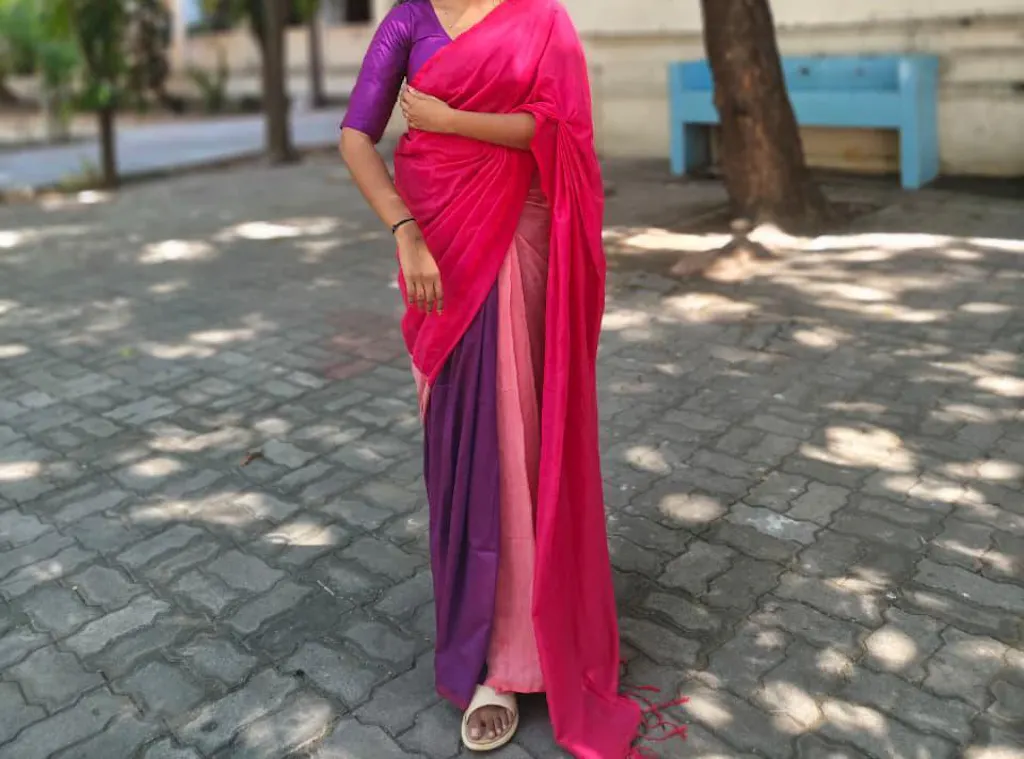
Working as an IAS officer (or any high-level administrative / government role) demands a balance of professionalism, poise, cultural identity, and long working hours. Your attire often communicates authority, respect, and confidence — and a saree, when chosen well, can deliver all that while staying comfortably traditional.
How to ch,oose and style formal sarees suitable for officers, official meetings, inspections, events and day-to-day duty — without compromising on elegance or comfort.
Why Sarees Make Sense for IAS and Formal Government Work
-
Cultural heritage & approachability: A saree evokes tradition and respect — useful in public-facing roles.
-
Versatile yet professional silhouette: A properly draped saree can be as formal as a suit but with softer aesthetics.
-
Comfort for long hours: Light, breathable fabrics allow ease during long working days, field visits, travel, and official ceremonies.
-
Dignified presence without flashiness: Sarees offer understated elegance — ideal for meetings, inspections, interviews.
What to Look for: Fabrics, Colours & Styles for Formal Sarees
When choosing a saree for bureaucratic or official roles, focus on subtlety, durability, comfort, and professional appeal.
Fabrics That Work Best
-
Cotton / Cotton-silk blends: Breathable and easy to manage — cotton and cotton-silk sarees are ideal for long days and hot climates.
-
Linen / Linen blends: Crisp texture, minimal maintenance — linen sarees offer a modern, clean look suitable for meetings or presentations.
-
Lightweight Silk / Silk-blends / Tussar-silk / Soft Silk: For formal events, higher-level meetings or cultural functions requiring a bit of gravitas and elegance.
- Georgette / Chiffon / Light Crepe: For days when ease of movement matters — e.g., inspections, field visits — these sarees drape well and are easy to carry.
Colours & Patterns: Subtle and Professional
Professional sarees tend to look dignified when they avoid overly flashy or ornate designs. Key colour/pattern recommendations:
-
Neutral tones & pastels: Beige, cream, ivory, light grey — project calm professionalism.
-
Earthy tones & muted rich colours: Navy blue, olive, maroon, deep greens — these convey authority and gravitas, especially in formal settings.
-
Minimal patterns / small prints / subtle motifs: Stripes, checks, small floral or geometric motifs — avoid heavy embroidery or loud prints.
-
Subtle borders or plain sarees: Sarees with minimal borders or plain bodies ensure a crisp, clean look of understated authority
Blouse Designs & Draping Styles for Official Elegance
-
Blouse styles ideal for official settings: high-neck, collared, 3/4-sleeves, full sleeves — these add modesty and structure.
-
Draping matters: go for neat, crisp pleats, well-pinned pallus, and tidy pallus instead of loose, flowy drapes — for a professional appearance.
-
Optionally, belt the saree or keep it minimal depending on comfort and mobility needs. A structured pallu or seedha-pallu drape often works well for official duties.
When to Wear What: Saree Ideas for Different Professional Scenarios
|
Scenario / Use Case |
Recommended Saree Type & Style |
|
Routine office work / field visits / long duty hours |
Cotton or linen saree in neutral or earthy tone; minimal print or plain; 3/4-sleeve blouse; neat Nivi drape |
|
Meetings / Presentations / Client/Secretary Visits |
Lightweight silk-blend or georgette saree; subtle border or plain; structured blouse like high-neck or collared blouse |
|
Formal government events / cultural functions / conferences |
Soft silk, Tussar, or elegant handloom saree with subtle zari or minimal border; full-sleeve blouse; well-pleated drape |
|
Hot and humid climates / travel duties |
Cotton-silk or linen sarees; breathable fabrics; avoid heavy embroidery; comfortable footwear & minimal jewellery |
|
Field inspections / site visits |
Georgette or crepe saree for ease of movement; minimal accessories; discreet pallu; secure pleats |
Styling Tips for Women in Civil / Administrative Roles
Keep jewellery minimal and subtle
-
Small studs, simple chains or thin bangles work better than heavy jewellery for professional settings.
-
Avoid loud accessories — let the saree’s simplicity reflect gravitas.
Footwear & Accessories
-
Closed-toe footwear (simple heels or flats) — avoid overly ornate heels or heavy sandals.
-
Structured handbags / satchels over flashy clutches — functional and professional.
-
If carrying documents or files, choose saree fabrics that drape well and don’t restrict movement.
Hair & Makeup
-
Neat hairstyles — low bun, sleek ponytail, simple braid — help maintain a composed, professional appearance.
-
Minimal makeup — matte or soft finish, neutral lips — to maintain a polished but humble professional look.
Why This Matters for Women IAS / Bureaucrats
As an IAS or government officer — whether you’re handling public meetings, field inspections, cultural interactions, or representing your department — your outfit becomes part of your identity. A saree that is carefully chosen for formality, comfort, and respectability can help you:
-
Earn trust and respect — traditional attire reflects cultural sensitivity.
-
Remain comfortable through long hours and varied tasks.
-
Maintain dignity and authority even in challenging field conditions.
-
Seamlessly transition between office, field and formal events with one wardrobe staple.
Quick Checklist: Your Professional Saree Wardrobe Essentials
-
2–3 cotton or linen sarees (neutral / pastel / earthy)
-
1–2 lightweight silk-blend or handloom sarees for formal meetings
-
1–2 muted georgette / crepe sarees for comfort + easy drape
-
A couple of structured blouses (full-sleeve / 3/4 sleeve / collared)
-
Closed-toe shoes, minimal jewellery, neat hairstyle accessories
A saree is far more than traditional wear — for an IAS officer or any woman in a formal role, it’s a powerful symbol of authority, culture, dignity, and grace. The right saree expresses competence without loudness, respect without ostentation, and comfort with confidence.
Wear it with poise, carry it with pride — and let your saree reflect your professionalism and purpose.